- Home
- Hand embroidery for beginners
- Best Fabric for Hand Embroidery
HAND EMBROIDERY FABRIC GUIDE
Choosing the Best Fabric
for Hand Embroidery
What to use, what to avoid, and how to pick with confidence
Choosing the best fabric for hand embroidery can make things feel easy… or strangely fiddly. The good news is you don't need anything fancy to start — you just need something stable, smooth-ish, and not too stretchy.
I've stitched on everything from fine linen to old pillowcases, and I can tell you the fabric makes more difference than most beginners expect. Get this choice right and your stitches practically place themselves.
This guide will help you pick fabric confidently, whether you're stitching a simple outline, filling an area with satin stitch, or working on clothing.
The Quick Answer (Best Beginner Fabric)
🏆 Best Starter Fabric — Medium-Weight Cotton
Often sold as quilting cotton or craft cotton, it's steady in the hoop, easy to mark, kind to beginner tension, and widely available in craft shops. If you can only buy one fabric to get started, this is the one.
If you're stitching counted-thread designs (like cross stitch or blackwork on an even grid), you'll usually be happier starting with Aida cloth or other evenly woven embroidery fabric.
What Makes a Good Embroidery Fabric?
Before we look at specific fabrics, it helps to understand the four things that really matter when you're choosing fabric for surface embroidery. Once you know what to look for, you can confidently assess any fabric — even ones not on this list.
Weight
Medium-weight is your sweet spot. Too light and it puckers, too heavy and your needle fights you on every stitch.
Weave Tightness
A firm, tight weave holds stitches in place and gives clean outlines. Loose weaves let stitches sink and wobble.
Stretch
Less stretch is better. Stable fabrics stay put in the hoop so your design doesn't distort as you work.
Surface Texture
Smooth surfaces let your stitches show clearly. Textured or nubby fabrics can add character but make precise work trickier.
Best Fabrics for Hand Embroidery (by Situation)
There's no single "best" fabric — it depends on what you're making. Here's my tried-and-tested advice for each common situation.
🌱 For Beginners (Most Forgiving)
✏️ For Crisp Outlines and Neat Detail
🧪 For Practice Pieces
🪡 For Textured Stitching (Rustic Look)
👕 For Stitching onto Clothing
Quick Reference: Fabric at a Glance
What to Avoid (at Least for Your First Few Projects)
These aren't "bad" fabrics — they're just harder when you're still learning tension and control. Once you have a few projects under your belt, feel free to experiment!
Very Stretchy Fabrics
Jersey and knits — the design can distort in the hoop. If you must, use cut-away stabiliser behind the area.
Very Slippery Fabrics
Silk and satin — the needle can snag and design marks can be tricky to apply. Beautiful results are possible, but they take patience.
Very Open Weaves
Gauze and loose linen — stitches can sink between the threads and outlines tend to wobble.
Fluffy Pile Fabrics
Towelling and velvet — stitching is possible, but transferring designs and seeing your stitches is much harder.
When Do You Need a Stabiliser?
Stabiliser is a backing material that supports your fabric while you stitch. Think of it as a helping hand that stops the fabric from puckering, stretching, or distorting.
You Probably Don't Need It
For stable cotton and small-to-medium designs in a properly tightened hoop, the fabric usually behaves just fine on its own.
You'll Probably Want It
For stretchy, delicate, or very textured fabrics, stabiliser makes stitching calmer and neater. Cut-away for permanent support, tear-away for temporary.
Common Stabiliser Types
Preparing Your Fabric
A few minutes of prep saves a lot of annoyance later. I always run through this checklist before I pick up a needle.
Cut With Extra Allowance
Leave a generous border around the edges so you have room to mount, frame, or finish your piece later. I usually add at least 3 inches all round.
Wash and Press
Pre-washing removes sizing, dirt, and any residual shrinkage. Press while slightly damp for the smoothest surface. This is especially important if your finished piece will be washed later.
Secure the Edges
Zigzag stitch, overcast by hand, or use masking tape to stop the edges fraying while you work. There's nothing worse than watching your fabric unravel as you stitch!
Transfer Your Design
Choose a transfer method that suits your fabric — lightbox tracing for light fabrics, carbon paper for dark ones, or iron-on transfers for speed. See our full guide to transfer methods.
Frequently Asked Questions
Do I need stabiliser?
Not always. For stable cotton and small designs, often no. For stretchy, delicate, or very textured fabrics, stabiliser can make stitching calmer and neater.
Can I embroider on Aida if I'm doing surface embroidery?
You can, but Aida's grid texture shows and the holes influence your stitch placement. It's brilliant for counted designs, less ideal for smooth surface shading. For counted techniques, see our counted thread fabric guide.
Why does my fabric pucker?
Usually a mix of hoop tension, stitch tension, and fabric choice. A stable fabric and a properly mounted hoop help a lot. Make sure you're pulling your stitches snug but not tight — they should lie flat against the surface, not dig into it.
Can I use fabric from around the house?
Absolutely! Old cotton pillowcases, tea towels, and even the back panel of a worn-out shirt can work beautifully. Just check that the weave is reasonably tight and the fabric isn't too stretchy. Some of my favourite practice pieces started life as something else entirely.
What's the difference between fabric for hand embroidery and counted thread embroidery?
Hand (surface) embroidery works on almost any stable fabric — you follow a transferred design. Counted thread techniques (cross stitch, blackwork, Hardanger) need an even-weave fabric where you count threads to place each stitch. Different skills, different fabrics. We cover counted thread fabrics in a separate guide.
The Best Fabric Is the One You Start With
Don't overthink it. Grab a piece of medium-weight cotton, pop it in a hoop, and make your first stitch. You'll learn more about what works for you in ten minutes of stitching than in an hour of reading.
Every fabric teaches you something — even the "wrong" ones. The pillowcase that puckered taught me about hoop tension. The denim jacket that fought back taught me to use shorter stitches. It's all part of the journey.
You might like these
Cross Stitch vs Embroidery: Choosing the Right Needlework Technique
Choose from cross stitch or embroidery - let your creativity shine through & create beautiful items to last a lifetime! No matter which you choose, have fun
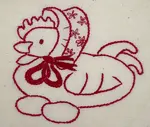
Free Redwork Embroidery Patterns & Step-by-Step Instructions
Learn this simple technique with a mother hen design, the first of my free redwork embroidery patterns using simple stitches and a single thread colour.
How to Learn Hand Embroidery: Beginner’s Guide and Tips
How to learn hand embroidery for beginners: Discover essential stitches, helpful tips, and easy techniques to start your embroidery journey today
Stitchin' Times Newsletter
Stay connected between projects
If you'd like occasional updates from my embroidery room, including new patterns, gentle tips, and little things I think you might enjoy, you're warmly invited to join the Stitchin' Times newsletter.
About Me - Contact Carol - Privacy Policy - Site Map - Testimonials
Please do not copy the content of this site. It is protected by Copyscape.
Copyright © 2006- www.needlework-tips-and-techniques.com All rights reserved